
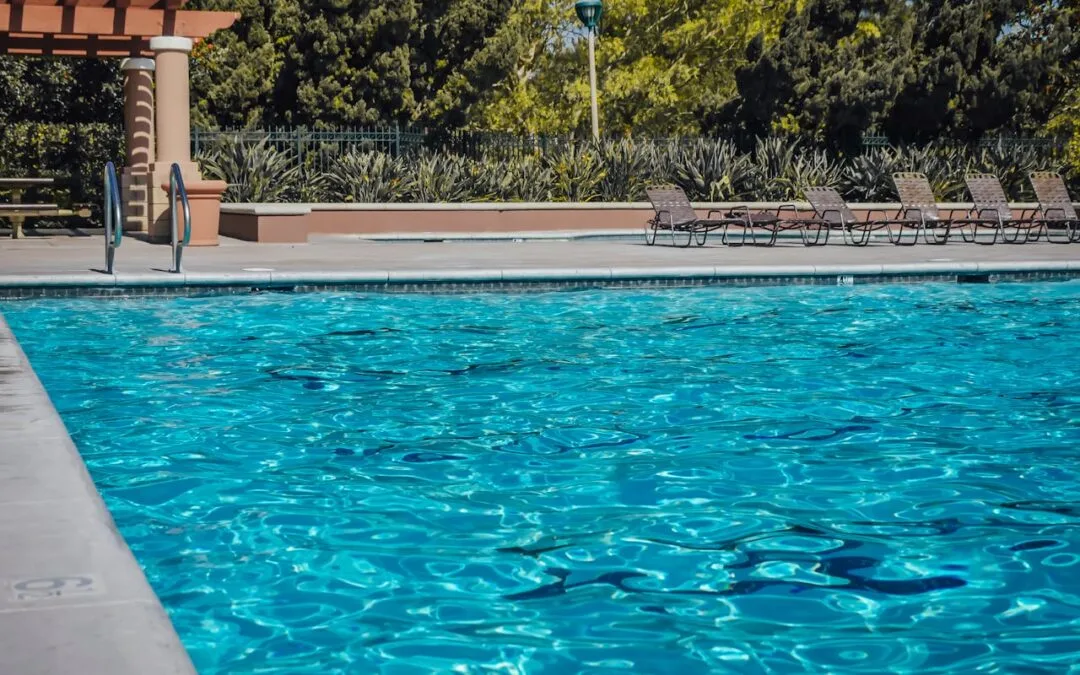
Choosing a pool deck in Ottawa starts with how you want to use the space. Concrete, interlock pavers and composite decking offer different ways to balance appearance, upkeep, repairability and the layout around your pool. The right choice also depends on wet-surface traction, summer sun and how water drains from the site.
This guide compares the three materials so you can prepare a practical shortlist. For help planning the installation, explore Ben Ozorak Construction & Design’s pool deck services in Ottawa.
Pool deck materials at a glance
Compare the complete installed system, not just the surface price. A ground-level pool surround and a raised deck can need very different preparation and supporting structures.
Scroll across the table to compare all columns.
| Material | Worth considering when… | Plan for |
|---|---|---|
| Poured concrete | You want a continuous surface with a broomed or decorative stamped finish. | A suitable base, drainage, planned joints and a finish appropriate for wet feet. Cracks and repairs can remain visible. |
| Interlock pavers | You want patterns, borders and individual units that can be lifted or replaced. | Base preparation, edge restraint and joint maintenance. Settlement can leave uneven areas needing attention. |
| Composite decking | You prefer a board-style surface, particularly for a raised deck or a connection to the house. | A designed support structure, ventilation, board spacing and product-specific cleaning. Check heat and traction before choosing a colour and profile. |
Concrete pool decks: finish and installation matter
Poured concrete gives you a choice of a simple textured finish or stamped patterns that resemble stone or brick. It can suit a ground-level pool surround where you want the walking area and pool edge to look coordinated.
What to check before choosing concrete
- Wet traction: review the proposed texture and sealer together. A decorative surface is not automatically slip-resistant; some sealed finishes become slippery when wet.
- Drainage and joints: ask how the contractor will prepare the base, manage surface water and locate joints. These details matter alongside the concrete finish.
- Future repairs: discuss how cracks or damaged areas would be treated. A repair may not match the surrounding colour or pattern.
For a closer look at the decorative option, read our stamped concrete pool deck guide. The Concrete Network’s pool deck guidance also explains why texture and sealer selection matter for traction.
Interlock pool decks: flexible layouts and local repairs
Interlocking pavers let you combine colours, laying patterns and borders around a pool. They can connect the surround to a patio or walkway without making every part of the yard look identical. See our interlocking paver options and Backyard Oasis project for design context.
One practical advantage is access: individual pavers can be lifted for a repair and reset. This does not make an interlock pool deck immune to movement. A sound base, drainage, edge restraint and maintained joints still matter; inspect any settled or raised areas rather than accepting them as normal.
What to check before choosing pavers
- Confirm the specific paver and coping are intended for poolside use.
- Compare samples for texture, barefoot comfort and colour in the yard’s light.
- Ask how joints will be maintained and whether replacement units will be available.
- Include transitions to steps, gates and adjoining surfaces in the layout.
Unilock’s product care guide explains the importance of maintaining joint sand. Follow the care instructions for the product actually installed.
Composite pool decks: less refinishing, with product-specific trade-offs
Composite decking offers a wood-like board surface with different upkeep requirements from natural wood. Many capped products do not need painting or staining, but cleaning and inspection are still part of ownership. Compare the manufacturer’s care instructions, installation requirements and warranty for the exact board you are considering.
For a raised or above-ground pool deck, the boards are only one part of the project. The supporting structure, stairs, access to pool equipment and enclosure design need to work together. A board’s suitability near a pool does not establish that an existing frame is suitable for reuse.
Check heat, spacing and the surface underfoot
Composite decking can become hot in direct sun, and darker colours can feel hotter. Bring samples into the location where you plan to build and discuss shade as well as colour. Trex’s manufacturer FAQs confirm that its decking can be used around pools, while also explaining heat, drainage and airflow considerations.
Review our deck material options to compare board choices. Do not assume all composite products have the same wet traction, moisture performance or warranty terms.
How to choose for your Ottawa backyard
Start with the pool layout and drainage
Mark out routes from the house to the pool, seating areas, gates and equipment. Include the pool edge or coping in the discussion: it meets the water, while the deck is the wider walking area. Ask how the proposed surface and underlying construction will handle drainage and seasonal ground movement.
Compare complete quotes and ongoing care
Ask each contractor to price the same area and scope, including removal of an old surface, excavation, base or framing, coping, steps, drainage, finishing and cleanup. Material-only prices cannot tell you which complete project will cost less.
Our pool deck cost guide covers budgeting separately. Use a site-specific written quote to confirm current pricing and inclusions. Keep this material choice focused on the trade-offs you will live with: cleaning, refinishing, joint upkeep and how repairs are handled.
Check enclosure and permit requirements early
Before settling the layout, review the City of Ottawa’s pool enclosure requirements. The City requires a pool enclosure permit even where an existing fence is proposed; a deck may also need a separate building permit. Confirm the requirements for your specific design with the City before construction.
If the existing surround is uneven or damaged, start with our pool deck repair guide and an assessment before choosing a new finish. For planting, privacy and connections to the rest of the yard, see pool landscaping ideas.
Common questions about pool deck options
Is concrete or interlock better around a pool?
Choose between the installed systems rather than expecting one material to win in every yard. Concrete offers a continuous surface and decorative finishes; interlock offers modular patterns and the ability to lift individual units. Compare drainage, the exact wet-surface finish, repair options and the full installation scope.
Is composite decking suitable around a pool?
Some composite products are suitable for poolside use. Confirm the manufacturer’s requirements for the chosen board, including support, spacing, ventilation and cleaning. Consider sun exposure and wet traction as well as appearance.
Which pool deck material needs the least maintenance?
There is no maintenance-free choice. Composite can reduce the need for refinishing; pavers need attention to joints and level transitions; concrete may need care of its finish and repairs. Compare the actual product’s care plan with the amount of upkeep you want to take on.
Talk through your pool deck options
Bring your pool layout, approximate dimensions, photos and material shortlist. We can discuss the next steps for your Ottawa backyard.
Call (613) 263-3513 or use our contact page to tell us about your project.
Recent Comments